
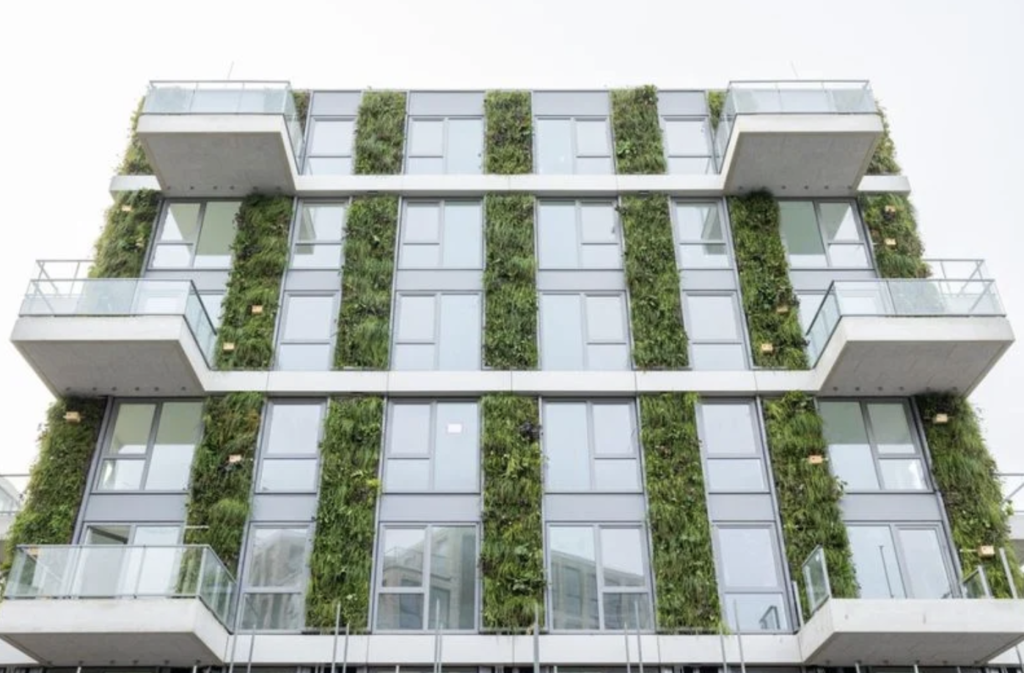
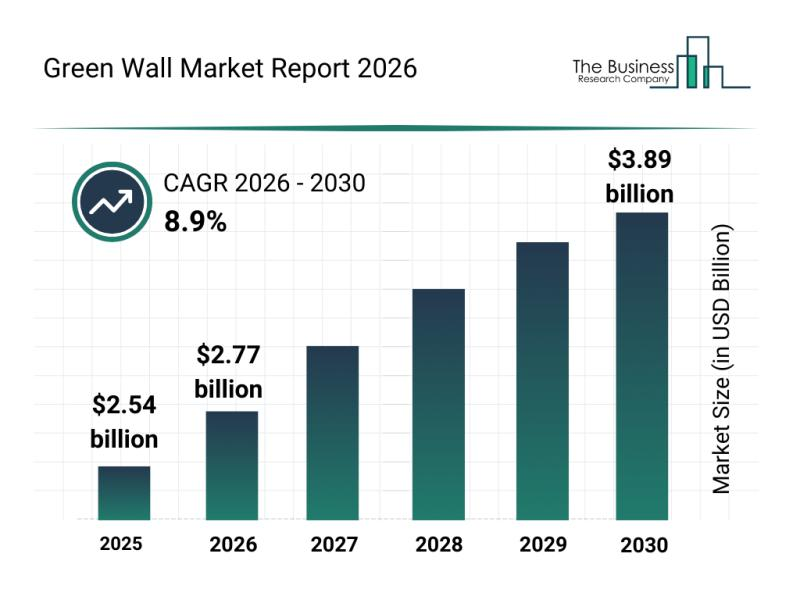
The global green wall market continues to gather pace. Recent industry analysis projects that the sector will reach approximately $3.89 billion by 2030, growing at a compound annual growth rate of 8.9%.
This is not marginal growth. It signals a structural shift in how cities, developers, and commercial operators approach sustainability, resilience, and asset value.
For commercial asset owners, hospitality operators, and real estate investors, the implications are clear: vertical greening is becoming embedded in modern infrastructure strategy.
What Is Driving Market Growth?
Several key forces are accelerating adoption across commercial and urban environments:
1. Climate-Resilient Urban Design
Cities increasingly prioritise climate-adaptive infrastructure. Green wall systems help mitigate heat island effects, manage storm water, and improve urban air quality, making them highly relevant to planning authorities and ESG-led developments.
2. Smart Technology Integration
The market is evolving beyond static planting systems. Innovations now include:
- Smart monitoring systems
- AI-based plant health management
- Automated irrigation and maintenance technologies
- Digital twin modelling for urban green spaces
This shift transforms green walls from decorative elements into performance-driven building systems.
3. Sustainable Growing Media and Materials
Advances in eco-friendly vertical greening materials and sustainable substrates improve system longevity, water efficiency, and lifecycle performance, reducing operational risk for asset owners.
4. Large-Scale Urban Greening Projects
Governments and developers increasingly integrate vertical greenery into master plans, mixed-use developments, hospitality precincts, and transport hubs.
From Aesthetic Feature
to Strategic Infrastructure
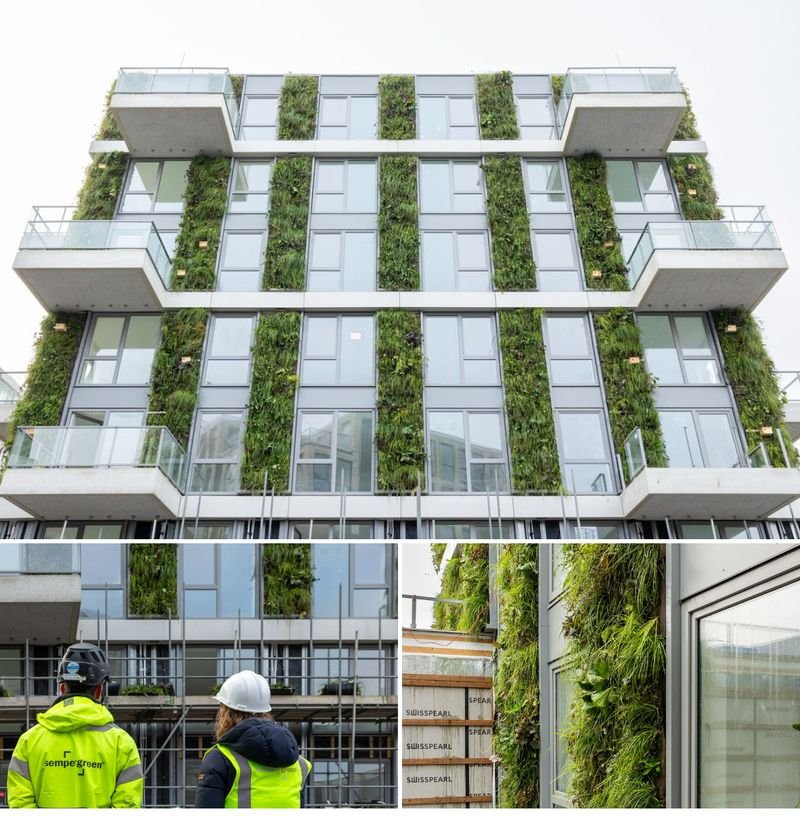
The projected 8.9% annual growth rate reflects changing expectations in the built environment. Green walls are no longer viewed as optional architectural enhancements. They now contribute to:
- Energy efficiency performance
- Biodiversity and ecological metrics
- Sustainable urban drainage strategies
- Asset differentiation and tenant appeal
- ESG reporting and investment positioning
As regulatory frameworks tighten and environmental disclosure becomes standard practice, green wall systems support measurable outcomes rather than symbolic gestures.
What This Means for
Commercial Buyers
For hotels, mixed-use developments, corporate headquarters, healthcare estates, and public buildings, the opportunity lies in moving early and strategically.
The market growth forecast suggests that:
- Demand for engineered, compliant systems will increase
- Technical standards and expectations will rise
- Differentiation through performance, safety, and lifecycle design will matter more than visual appeal alone
Early adopters secure competitive advantage while supply capacity remains manageable.
A Moment of Acceleration
The green wall market’s projected growth to nearly $4 billion by 2030 confirms that vertical greening has entered a new phase of maturity.
As cities adapt to climate pressure and asset owners strengthen ESG strategies, living wall systems will increasingly sit at the intersection of resilience, performance, and long-term value creation.
At Life on Walls, we focus on engineered, fire-safe living wall systems designed for commercial-scale application, durability, and measurable performance.
If you are evaluating how green wall systems can support asset strategy, sustainability goals, or climate resilience, now is the moment to explore what this market shift means for your portfolio.
Download the Green Wall Market Report here.