
RHS Case Study: The Living Vertical Garden
The RHS Vertical Garden Exhibit by
Adolfo Harrison & Life on Walls
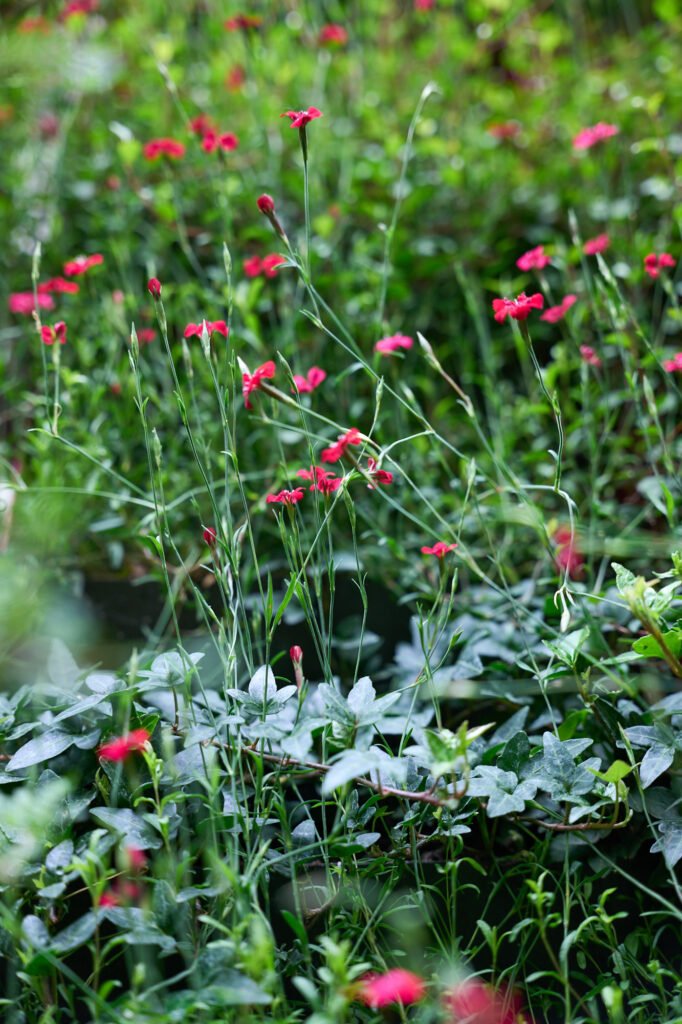
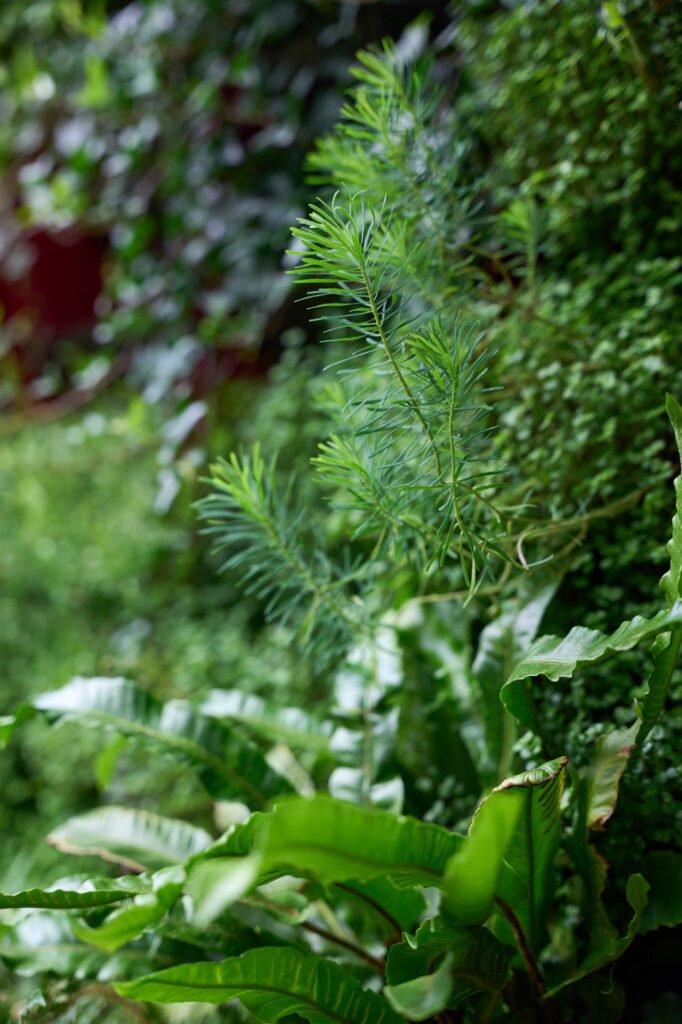
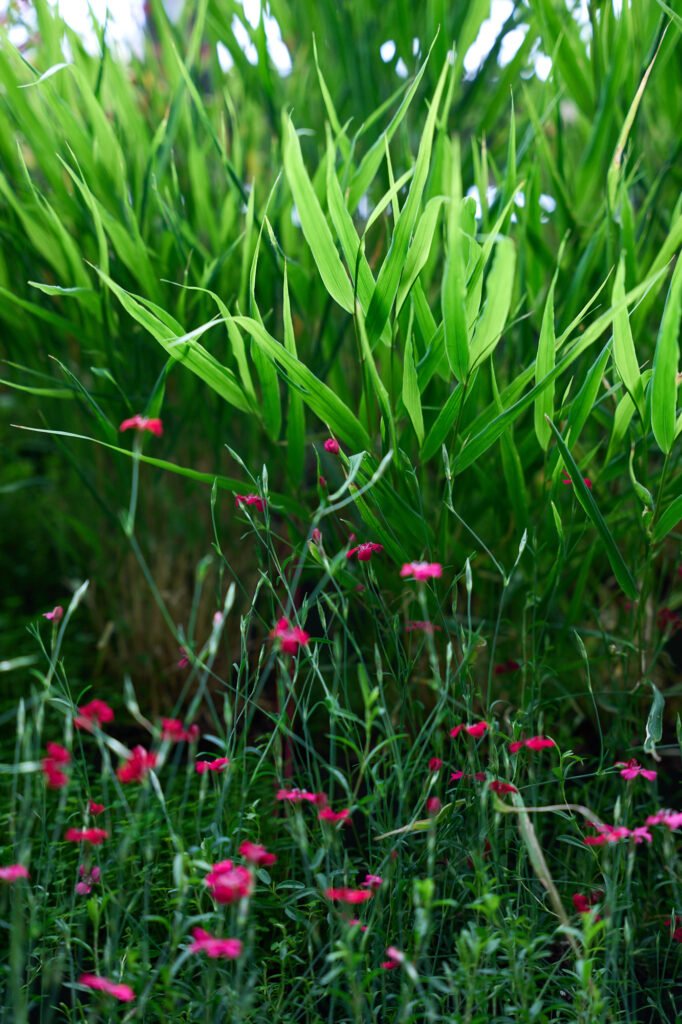
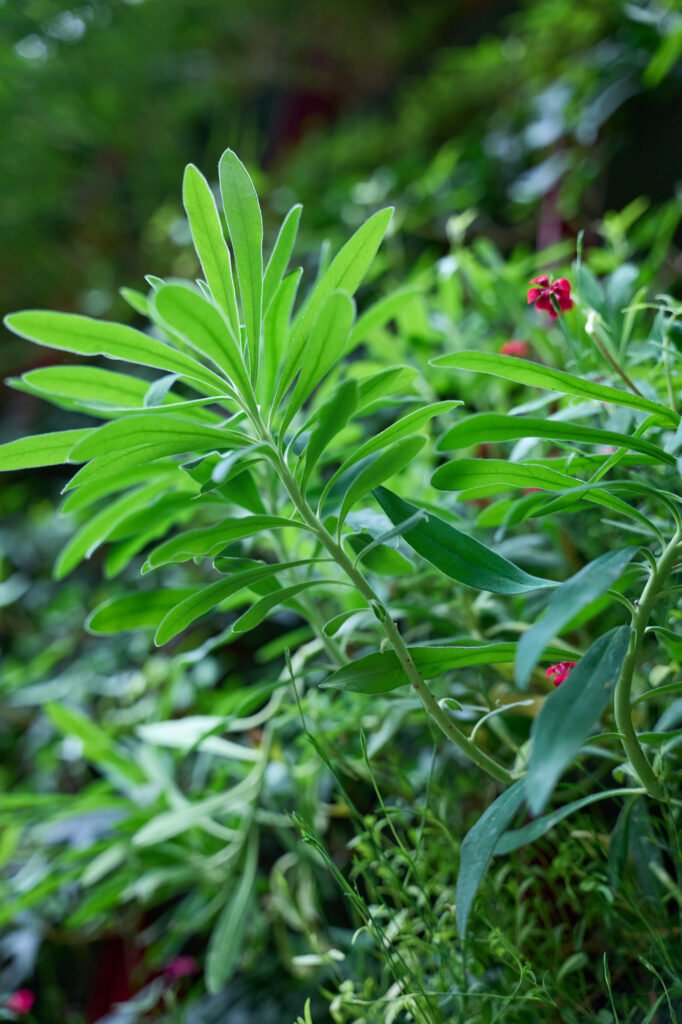
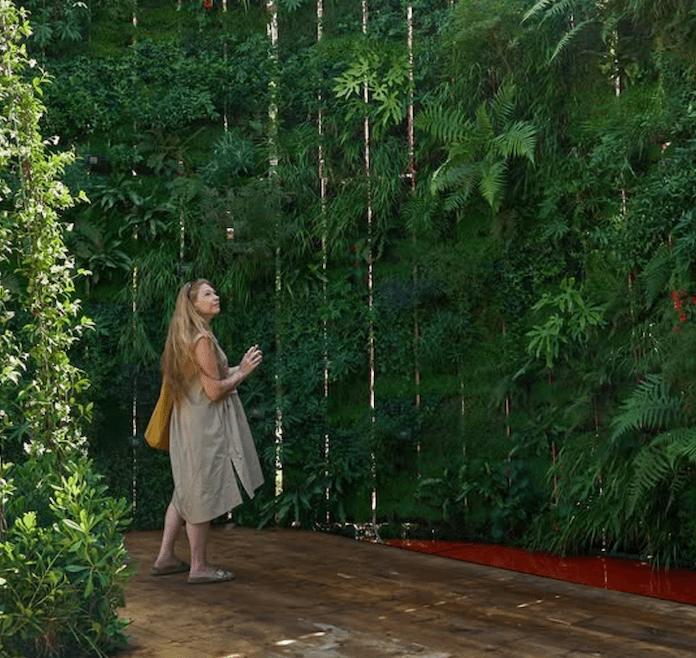
At the RHS Hampton Court Palace Garden Festival, Adolfo Harrison unveiled a living wall installation that captured the imagination of thousands. This was not just vertical gardening. It was a bold demonstration of how green walls could bring architecture and ecology into harmony — a living exhibit that transformed a simple living wall system into a breathing space.
The Masters Behind the Vision
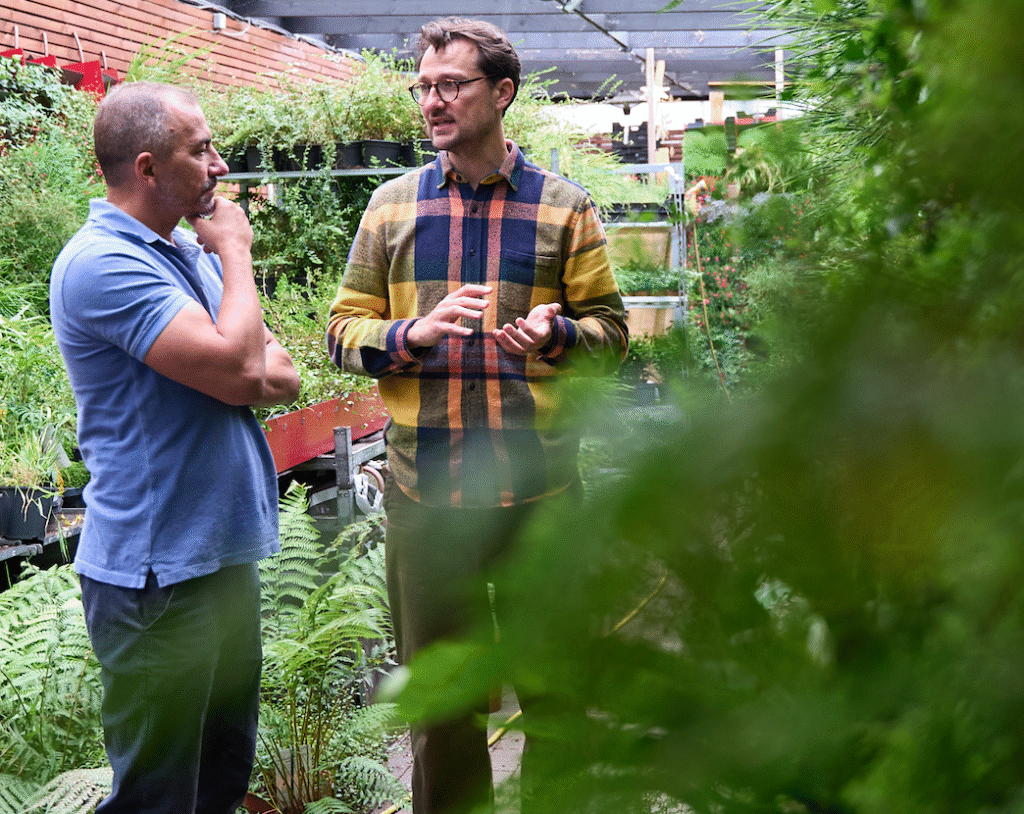
The RHS installation was the result of a creative dialogue between designer Adolfo Harrison and vertical greening pioneer Armando Raish. Together, they combined botanical intuition and technical mastery to shape a living wall rooted in nature’s geometry. Each element was placed with purpose, following nature’s golden angle of 137.5°, creating harmony, rhythm, and structure.
Adolfo Harrison is an acclaimed garden designer known for his visionary urban landscapes. A two-time Society of Garden Designers Judge Award winner and RHS Chelsea Selection Panel member, he blends creativity with deep botanical understanding.
Armando Raish, founder of Life on Walls, is a pioneer in vertical greening and green wall systems. With over 20 years of experience in sustainable architecture across the UK, he led the installation of the Living Louvres, combining technical mastery with nature’s own geometry.
The Visitor Experience
For many visitors, it was the first time they saw how design could embrace nature’s intelligence, revealing a future where buildings no longer resist nature but participate in it.
It was a moment of revelation: walls that seemed to breathe, water moving where it was needed, plants thriving despite challenging conditions.
What Came Next
The RHS project marked a turning point for Life on Walls — a moment of recognition that living systems are not just possible, but essential for the future of design.
We continue this journey through consultancy, training, and innovative systems like the upcoming Transforming Louvers — building on the lessons first shared at Hampton Court.
And what happened to the exhibit? It has been relocated to several private residences across the UK.

The Work Behind the Scenes
This installation was more than a spectacle. It was the product of careful design and consultation, expert installation and maintenance planning, years of research and training, and a commitment to sustainable products and systems. Every piece was placed with quiet intention, guided by experience and respect for natural rhythms.
Design &
Consultation
Installation &
Maintenance Service
Training &
Online Course
Supplies &
Products