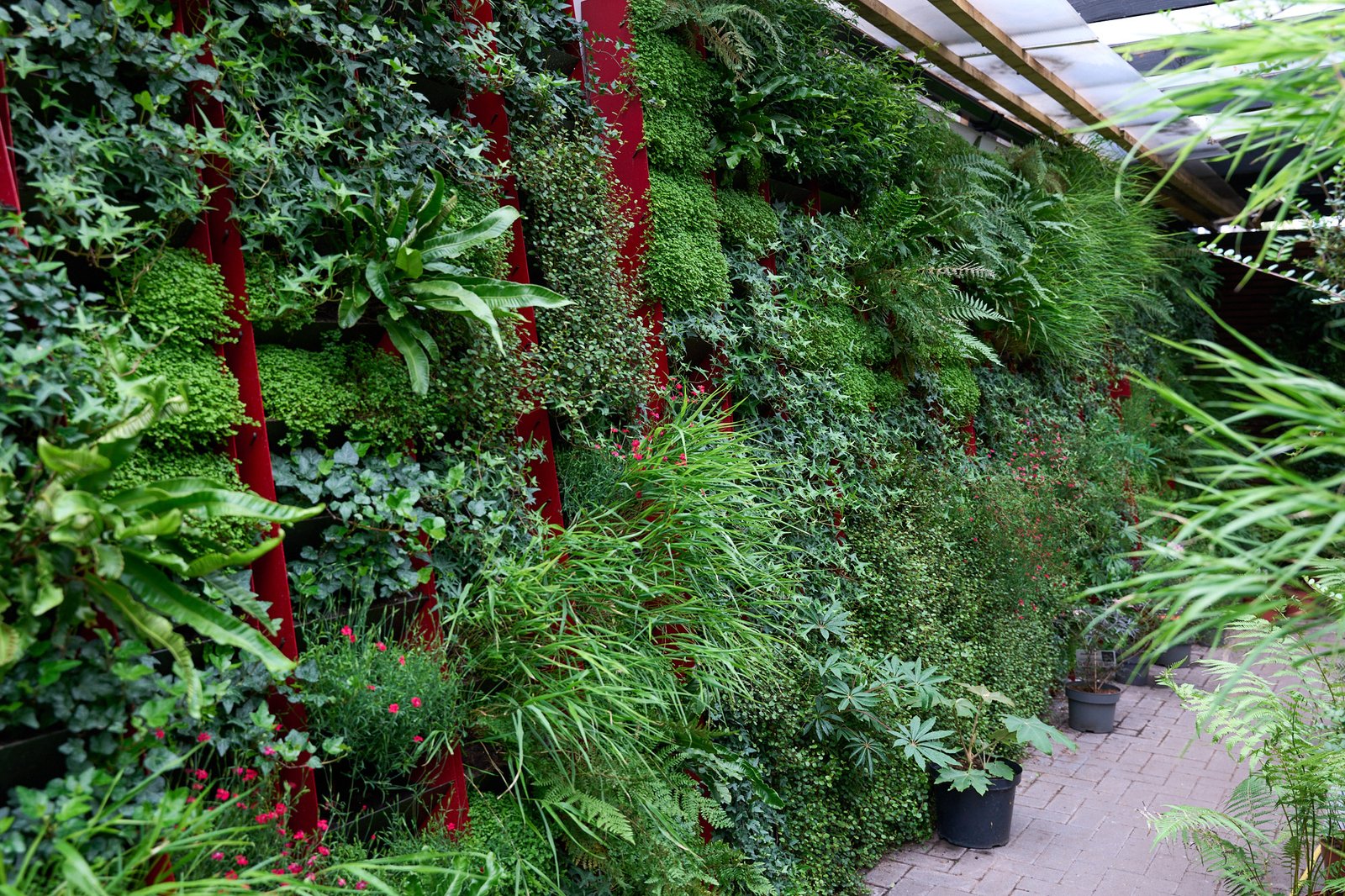
Living walls, also known as vertical gardens, are planted systems that transform walls into living, breathing features. They can be installed indoors or outdoors, either freestanding or fixed to an existing structure.
Choosing the right type of living wall is key to ensuring long-term success, from design flexibility to maintenance and overall performance.
Based on the Planting Method
Plant (Soil-Based) Walls
Plants grow in a natural substrate, offering flexibility in plant choice and a more resilient system.
Hydroponic Walls
Plants grow in a nutrient-rich water system without soil. These systems can be efficient, but require precise control and ongoing management.
Climbing Walls
Plants are rooted in the ground and trained to grow vertically using wires or trellises, creating a more natural, slower-growing effect.
Based on System Design
Fabric / Pocket Systems
Lightweight and flexible, ideal for smaller or curved surfaces. However, they often require more water, nutrients, and maintenance over time.
Plastic Modular Systems
Pre-made panels that are easy to install and cost-effective. They offer less flexibility in design and can limit long-term plant growth.
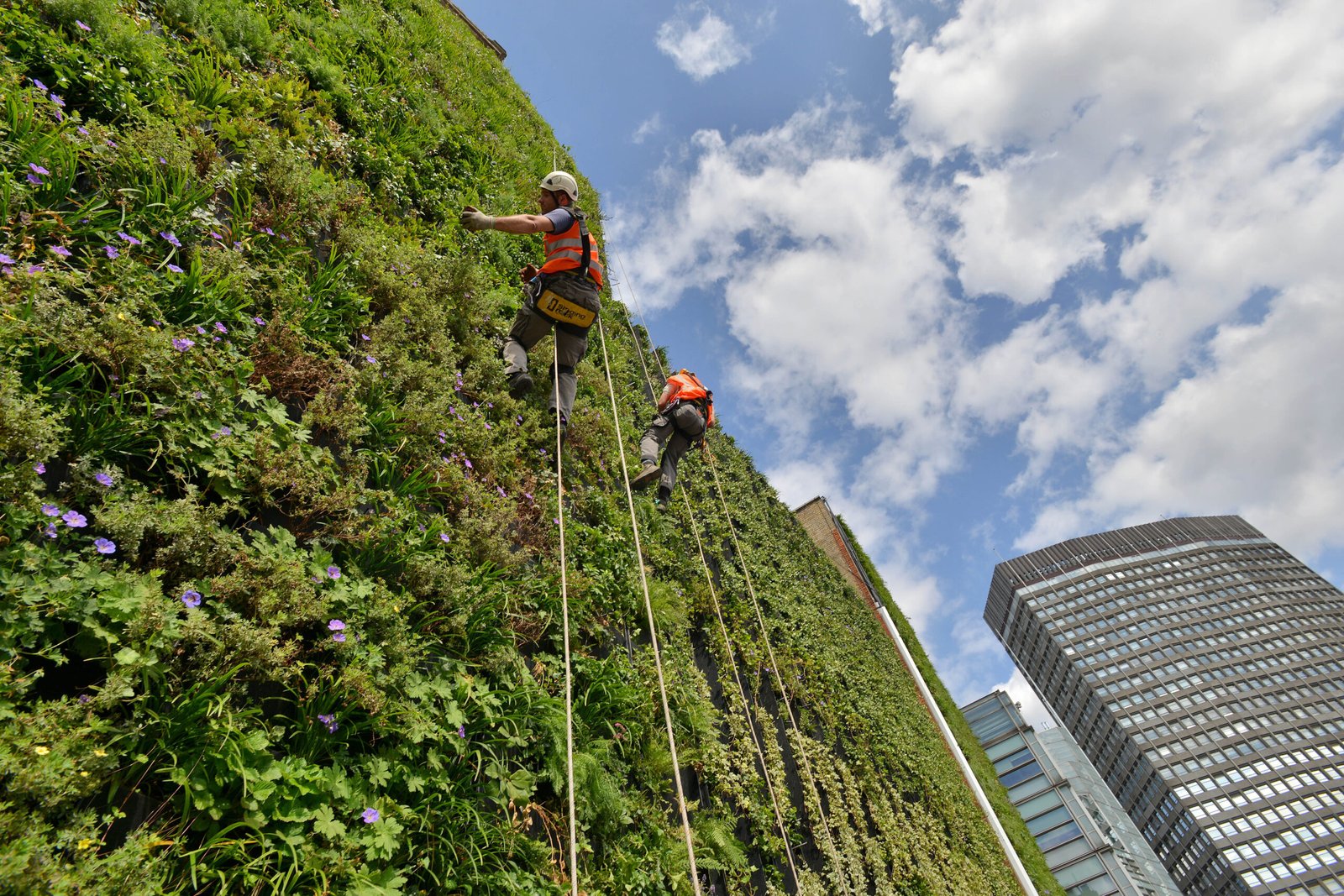
Metal Channel Systems (Our Approach)
Horizontal aluminium channels filled with substrate, designed for durability, flexibility, and long-term performance. They allow for healthier root systems, use a fire-safe build-up, and can be tailored to any size or design.
Hydroponic Systems
Soil-free vertical systems using circulating nutrient solutions. Suitable for specific environments, but more dependent on precise technical control.
Key Considerations
Wall Size & Height
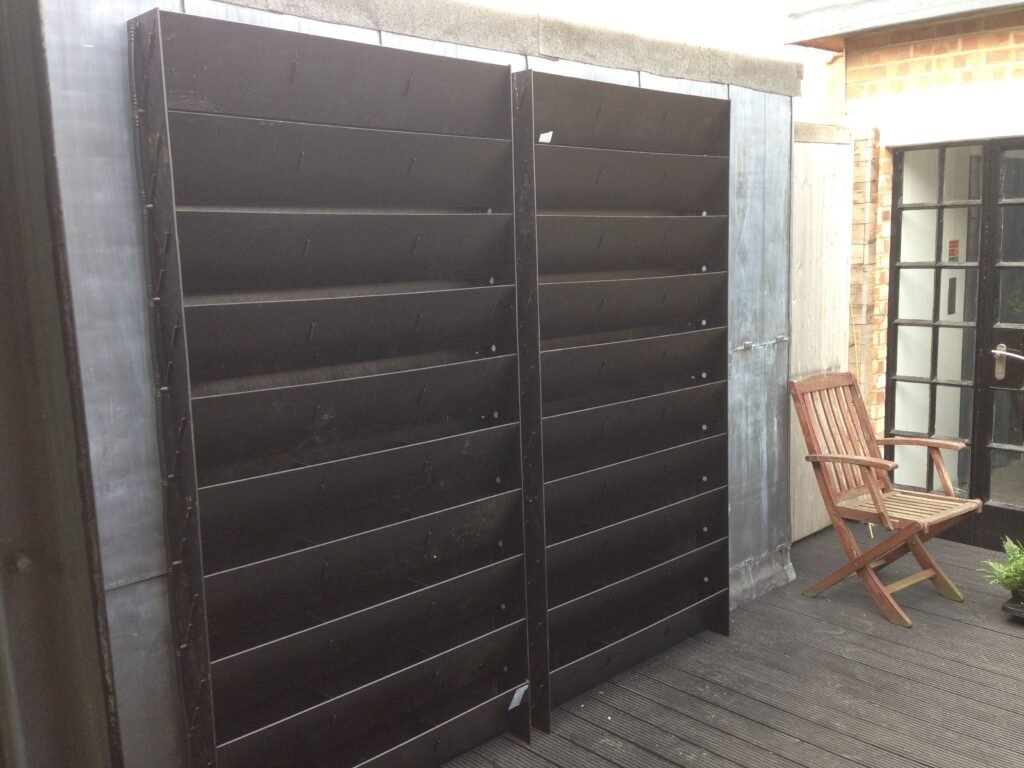
The larger and taller the wall, the more planning is required for installation and future maintenance. Access systems, such as scaffolding or cradles, can influence cost and design decisions.
Plant Density & Design
Higher plant density allows for more intricate patterns or logos, but can limit plant growth and increase maintenance needs. A balanced approach ensures both visual impact and plant health.
Soil vs Hydroponic
Soil-Based Systems
Offer greater plant variety, are more forgiving, and support natural microbial activity that benefits plant health and air quality.
Hydroponic Systems
Perform well in certain conditions, such as exposed or windy areas, but require more precise irrigation and nutrient control.
Pre-Grown vs On-Site Planting
Pre-Grown Systems
Provide instant visual impact from day one and reduce installation time on site. They require advanced planning and less flexibility for last-minute changes.
Planting On Site
Allows for greater adaptability during installation and design adjustments. It can take longer to establish and requires more time on site.
Which Living Wall Is Right for You?
Every project is different. The right system depends on your space, design goals, budget, and how you want your living wall to perform over time.
At Life on Walls, we help you choose and design a system that not only looks exceptional, but is built to thrive.
— — Next step
Talk it through with us.
Send a drawing, a photograph or a rough square metre figure and we will come back with a system, a planting approach, a programme and a budget range.